- En
Arthritis is often described as a “silent companion” because it does not stay constant in intensity. For many people, the challenge is not only the pain itself, but the way it gradually shapes daily decisions—how long to sit, how far to walk, or whether a simple task will feel difficult later in the day.
Globally, arthritis affects hundreds of millions of people and remains one of the leading causes of long-term disability, according to large-scale epidemiological data from global health institutions. While medications such as NSAIDs are commonly used, long-term reliance on them is often approached cautiously due to known systemic risks, especially when used frequently over time.
Because of this, many individuals start looking for supportive, non-drug-heavy strategies that can be integrated into daily life. One such option is the arthritis plaster, including capsicum-based heat patches designed for localized use.
This article explores how people with arthritis can structure their daily routines in a more balanced way—without overdependence on medication—and where tools like arthritis plaster may realistically fit into that routine.
Unlike acute injuries, arthritis is not a condition that “appears and disappears.” Instead, it tends to exist as a background pattern of discomfort that fluctuates throughout the day.
Many people describe it as:
A slow stiffness when waking up
A “tight” feeling after sitting too long
Fatigue in joints after normal daily activity
Gradual buildup of discomfort toward the evening
This constant variability is what makes arthritis difficult to manage—it is not always severe, but it is rarely absent.
Over time, this can lead to a common behavioral pattern: relying on quick relief methods whenever discomfort appears, rather than building a sustainable long-term routine.
To understand better management strategies, it helps to recognize how arthritis behaves in real life rather than in medical definitions.
Most people experience:
After hours of inactivity during sleep, joints often feel less flexible and harder to move.
Prolonged sitting, standing, or repetitive movement can increase discomfort.
Pain often accumulates throughout the day, especially after physical or mental stress.
These patterns are important because they suggest that arthritis pain is not a single event—it is a daily rhythm.
Pain medication is often effective for short-term relief, which is why it is widely used. However, in daily chronic conditions like arthritis, usage patterns can gradually shift from occasional to frequent.
This happens for several practical reasons:
Relief is fast and predictable
It fits into busy routines
It requires no behavior change
It addresses symptoms rather than long-term patterns
However, clinical guidance on medications such as NSAIDs highlights that prolonged or frequent use may carry risks for certain individuals, particularly related to gastrointestinal and cardiovascular systems.
This is not about avoiding medication altogether—it is about avoiding automatic dependence as the primary strategy.
Instead of focusing on single solutions, many modern approaches to arthritis management emphasize rhythm and consistency.
A balanced daily structure may include:
Gentle movement after waking
Light stretching to activate joints
Gradual increase in mobility instead of sudden strain
Avoiding long periods of static posture
Small movement breaks during work or sitting
Distributing physical load across the day
Reducing joint pressure after daily activity
Allowing muscles and joints to relax
Preparing the body for rest and recovery
This approach focuses on reducing cumulative stress, rather than reacting only when pain appears.
Within a broader lifestyle-based approach, some people choose to include localized comfort tools as part of their routine.
One example is arthritis plaster, such as capsicum-based heat patches.
Products in this category are typically designed for:
Local application on joints
Flexible wear during movement
Use during daily activities without interruption
Capsaicin-based patches, in particular, are widely used in topical pain management. Capsaicin is a compound derived from chili peppers and is commonly included in over-the-counter topical products intended for temporary relief of minor muscle and joint discomfort.
Importantly, this type of support is not positioned as a replacement for medical treatment, but as a localized, situational aid within daily routines.
In practice, people do not use pain relief methods in isolation—they use them while living normal lives.
This is where arthritis plaster is often integrated:
During long work sessions at a desk
While doing household activities
During travel or commuting
When standing or walking for extended periods
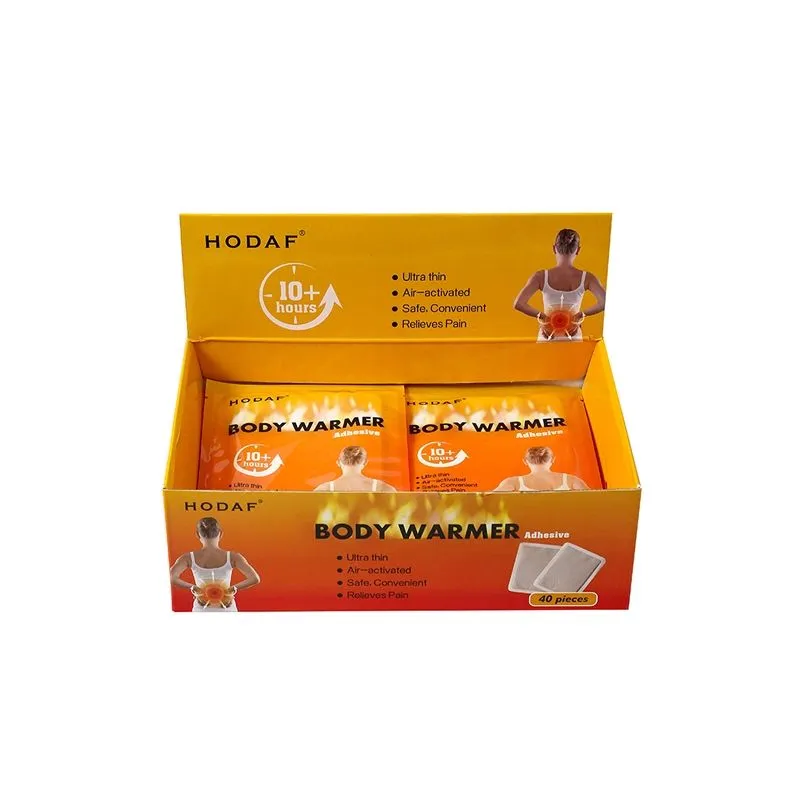
Hodaf's capsicum-based arthritis plaster is designed with practical features that support this type of use:
Multiple sizes for different joints (knee, back, shoulder areas)
Flexible material for movement comfort
Breathable and waterproof structure for daily wear
Cut-to-size adaptability for targeted application
These features matter because arthritis management is not only about relief—it is also about maintaining function during daily life.
| Time of Day | Activity Pattern | Purpose |
| Morning | Gentle stretching + light movement | Reduce stiffness |
| Midday | Posture changes + short breaks | Prevent joint overload |
| Afternoon | Activity pacing | Avoid fatigue buildup |
| Evening | Recovery focus + rest | Reduce accumulated strain |
This type of structure helps reduce reliance on reactive pain relief and encourages a more stable daily rhythm.
Many people unintentionally make symptoms harder to manage by:
Remaining inactive for long periods
Using only one method of pain control
Ignoring early stiffness signals
Treating pain only when it becomes severe
A more balanced approach tends to be more sustainable over time.
Many people use a combination of lifestyle adjustments and localized support tools to reduce reliance on frequent medication use.
Gentle and consistent movement helps maintain joint flexibility and reduces stiffness over time.
Yes, arthritis plaster is commonly used as part of daily routines for localized comfort when needed.
Yes, many people use a combination of pacing, posture management, and localized support strategies.
No, symptoms often vary throughout the day, so flexible approaches are usually more effective.
Daily arthritis management is most effective when it is viewed as a continuous routine rather than isolated treatment moments. Instead of relying heavily on medication alone, many people benefit from combining movement habits, pacing strategies, and localized support tools such as arthritis plaster. When integrated thoughtfully, these approaches help maintain comfort and mobility throughout the day while reducing unnecessary dependence on medication.